
Tongue Cancer Surgery
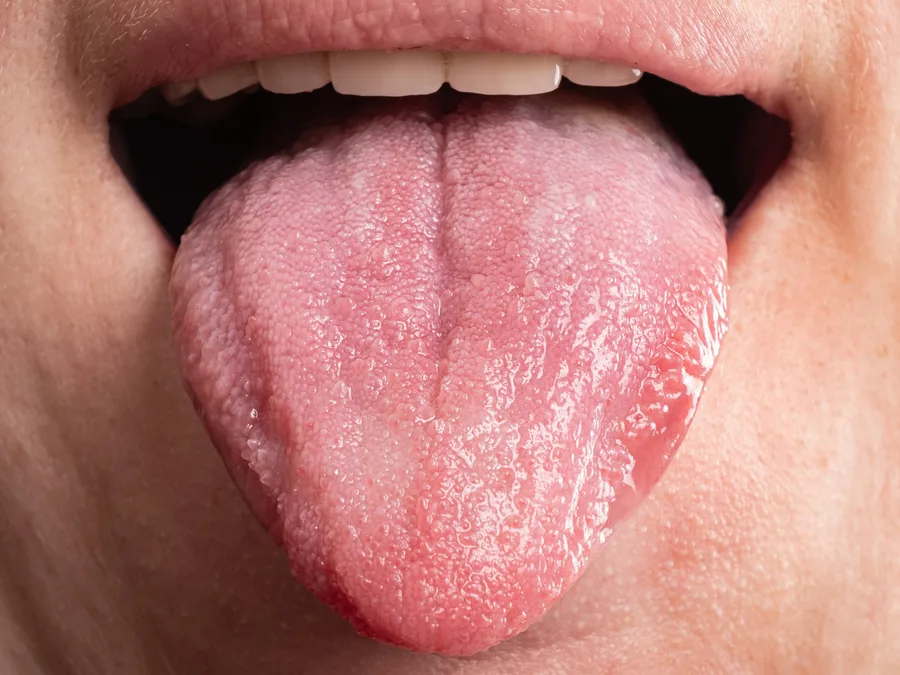
The tongue is a muscle you use for speaking, tasting and swallowing. Cancer of the tongue usually starts as a sore, a firm lump or a white or red patch, most often along the side of the tongue. A mouth ulcer or tongue lesion that has not healed within two to three weeks should be examined and, if needed, biopsied.
Treatment depends on the stage. A small tumour is removed by partial glossectomy, taking it out with a margin of healthy tissue through the mouth; speech and swallowing usually adapt within weeks. Larger tumours may need a wider removal with flap reconstruction and a neck dissection, and radiotherapy or chemotherapy may follow, depending on the pathology result.
Our contracted head and neck surgeons in İstanbul perform partial and total glossectomy, neck dissection and flap reconstruction, and involve speech and swallowing therapists from the first days after surgery. As an international patient you send your biopsy report and MRI or CT first; the surgeon reviews them and proposes a plan before you travel.
Conditions treated
- Cancer of the side or body of the tongue (oral tongue)
- Cancer at the base of the tongue
- White or red patches with abnormal cells (leukoplakia, erythroplakia)
- Tongue cancer with enlarged neck lymph nodes
- Recurrence after earlier surgery or radiotherapy
- Large defects of the tongue needing flap reconstruction
Procedures performed
- Partial Glossectomy
- Total Glossectomy
- Neck Dissection
- Flap Reconstruction
What to expect
The four stages every international patient goes through with us.
- 01
Consultation and diagnostics
Examination of the mouth and throat, a biopsy of the lesion if one has not been done, and MRI or CT to show how deep the tumour goes and whether lymph nodes are involved. Existing reports are reviewed remotely; the surgeon tells you what, if anything, needs repeating in İstanbul and whether a dental check is advisable before surgery.
- 02
Surgery
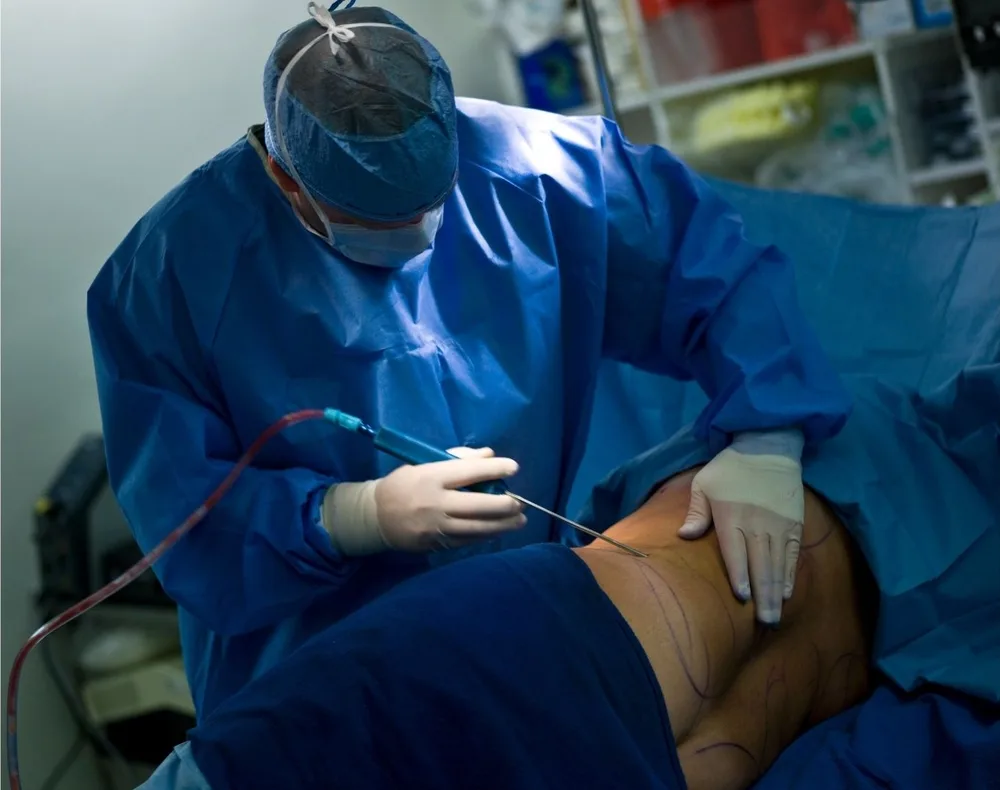
Under general anaesthesia. A partial glossectomy removes the tumour with a margin of healthy tissue through the mouth, usually in one to two hours. A neck dissection is added when lymph nodes need to be removed or checked. Larger defects are rebuilt with a flap of tissue, usually taken from the forearm or thigh, which makes the operation considerably longer.
- 03
Hospital stay
Usually two to five nights after a partial glossectomy and one to two weeks when a flap has been used. After larger operations a soft feeding tube through the nose supplies nutrition for the first days while the tongue heals, and swallowing is checked before you eat by mouth. Speech and swallowing exercises begin on the ward.
- 04
Follow-up from home
The pathology result, usually within about a week, shows whether radiotherapy is needed; if so, it is coordinated with your oncologist at home. Speech and swallowing therapy continues near you, and regular checks of the mouth and neck follow for several years. Our team stays in contact after you return.
Typical timeline
- Partial glossectomy · hospital
- 2–5 nights
- With flap reconstruction · hospital
- 7–14 nights
- Stay in İstanbul
- 2–4 weeks
Typical ranges for an uncomplicated case. Your surgeon confirms your own plan after reviewing your reports.
Performed at
Contracted practices in İstanbul whose own treatment lists include this work.

Common questions
Will I be able to speak normally after surgery?
After a partial glossectomy speech is usually close to normal once the swelling settles, although some sounds may need practice. After a larger removal with a flap, speech becomes clearer with time and therapy but may stay somewhat different from before. Your surgeon explains what to expect for your particular operation.
How will I eat and swallow afterwards?
After a small partial glossectomy you can usually take liquids and soft food within a few days. After larger operations a feeding tube through the nose supplies nutrition for the first days; swallowing is then checked and you progress from liquids to soft food. A swallowing therapist guides each step, and a soft diet is usually advised for a few weeks.
Why are lymph nodes in the neck removed?
Tongue cancer can spread to the lymph nodes of the neck before they can be felt or seen on a scan. A neck dissection removes the nodes on the affected side so the pathologist can examine them; this gives an accurate stage and treats any spread that is found. It is done through an incision in a neck crease and usually adds one to two hours to the operation.
General information, not medical advice. Your treatment plan is set by the operating surgeon after reviewing your reports.