
Salivary Gland Surgery
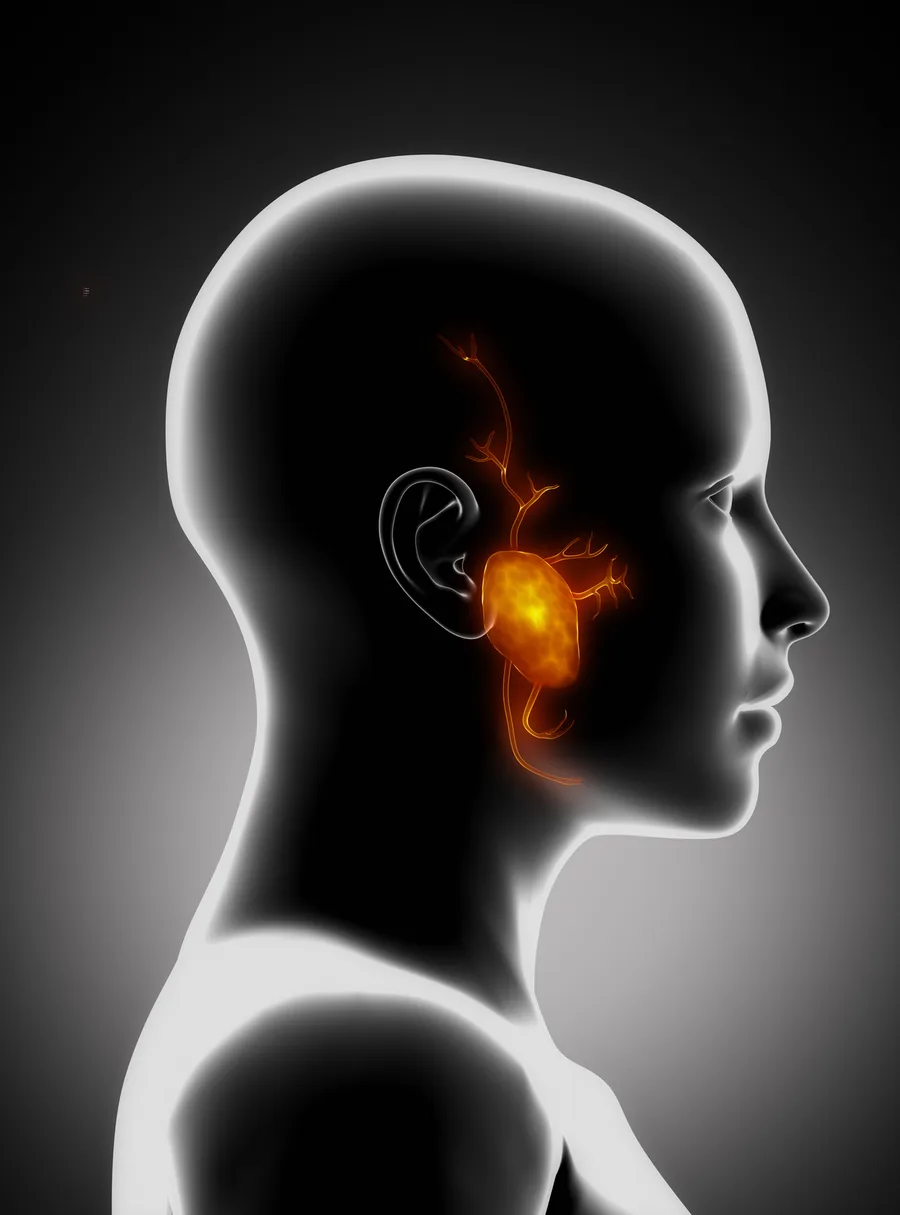
The salivary glands make the saliva that keeps the mouth moist and starts digestion. The largest, the parotid, sits in front of each ear; the submandibular gland lies under the jaw. Surgery is considered for tumours, most of which in the parotid are benign, for stones that block a duct, and for chronic swelling or infection that keeps returning.
Our contracted head and neck surgeons in İstanbul perform partial, superficial and total parotidectomy as well as submandibulectomy (removal of the submandibular gland), adding a neck dissection when lymph nodes are involved. In parotid surgery the facial nerve runs through the gland, so it is identified and monitored throughout to protect the movement of your face.
As an international patient you send your ultrasound, MRI or CT and any biopsy result first. The surgeon reviews them and proposes a plan before you travel, so the visit itself is short and predictable.
Conditions treated
- Benign parotid tumours (e.g. pleomorphic adenoma, Warthin tumour)
- Salivary gland cancer
- Salivary stones blocking a duct (sialolithiasis)
- Chronic or recurrent swelling and infection of a gland
- Lumps in the submandibular gland under the jaw
- Salivary gland disease with enlarged neck lymph nodes
Procedures performed
- Partial Parotidectomy
- Superficial Parotidectomy
- Total Parotidectomy
- Neck Dissection
- Submandibulectomy
What to expect
The four stages every international patient goes through with us.
- 01
Consultation and diagnostics
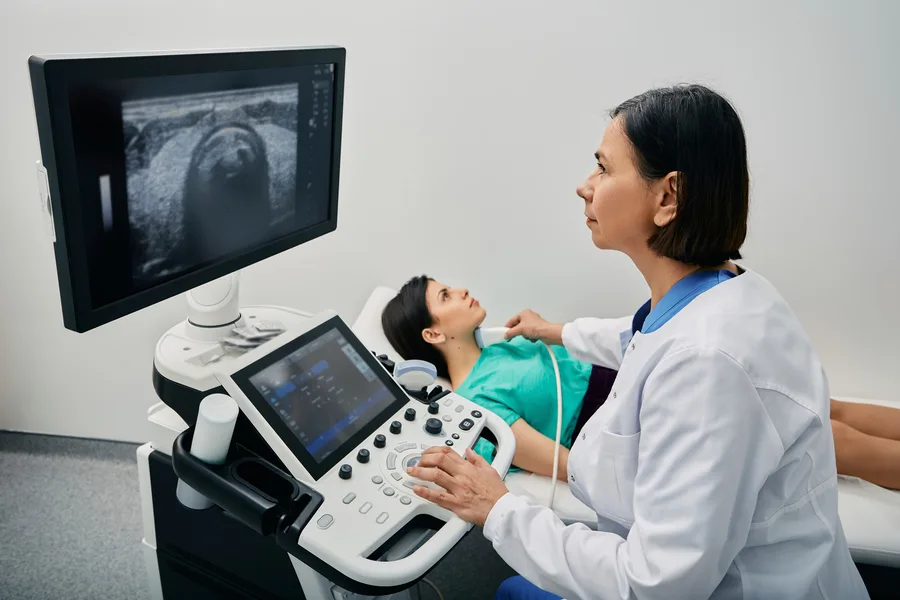
Examination of the face and neck, ultrasound and, where needed, MRI or CT and a fine-needle biopsy to learn what kind of lump it is. If you already have these, the surgeon reviews them remotely and tells you what, if anything, needs repeating in İstanbul.
- 02
Surgery
Performed under general anaesthesia through an incision in front of the ear that curves into a neck crease, or under the jaw for the submandibular gland, usually taking one to three hours. The facial nerve is monitored throughout parotid surgery; a neck dissection is added only when lymph nodes need to be removed.
- 03
Hospital stay
Most patients stay one to two nights. Facial movement is checked before discharge, and a drain, if one was placed, is usually removed before you leave. Eating and drinking normally is possible from the first day.
- 04
Follow-up from home
Wound review and pathology results within about a week, usually before you fly. Afterwards the surgeon advises on any further treatment or on routine check-ups, coordinated with your doctor at home. Our team stays in contact after you return.
Typical timeline
- Hospital stay
- 1–2 nights
- Stay in İstanbul
- 7–10 days
- Back to desk work
- 1–2 weeks
Typical ranges for an uncomplicated case. Your surgeon confirms your own plan after reviewing your reports.
Performed at
Contracted practices in İstanbul whose own treatment lists include this work.

Common questions
Could my face be weak after parotid surgery?
Because the facial nerve runs through the parotid gland, some temporary weakness of the mouth or eye on that side can occur and usually recovers over weeks to months as the nerve settles. Permanent weakness is uncommon when the tumour is benign: the nerve is identified and monitored throughout the operation to protect it.
Why is my earlobe numb, and what is Frey’s syndrome?
Numbness of the earlobe is expected after parotid surgery because a small skin nerve crosses the incision; it usually fades with time and rarely troubles patients. Frey’s syndrome is sweating or flushing of the cheek while eating, which can appear months later; it is often mild and can be treated if it bothers you.
When can I fly home?
Usually seven to ten days after surgery, once the wound has been checked and, where possible, the pathology result discussed. Your surgeon confirms the exact date before you book the return flight.
 Why Do Salivary Glands Swell?Read article →
General information, not medical advice. Your treatment plan is set by the operating surgeon after reviewing your reports.