
Ear Surgery
The eardrum and the three tiny bones behind it carry sound to the inner ear, while the mastoid bone behind the ear contains air cells that connect to the middle ear. Surgery is considered when a perforated eardrum does not heal, when chronic infection or cholesteatoma damages these structures, and when fluid keeps collecting behind the eardrum.
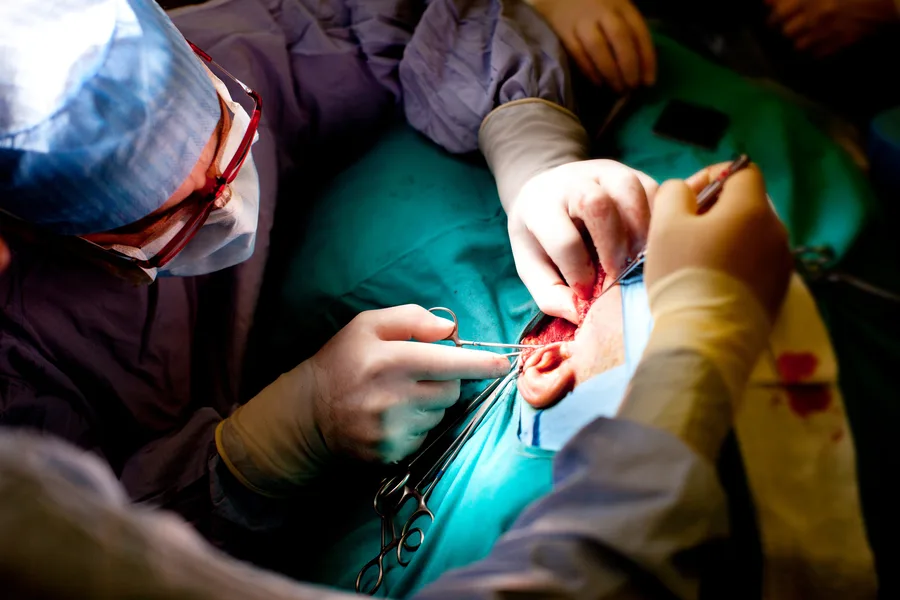
Our contracted ENT surgeons in İstanbul perform myringoplasty (closing a hole in the eardrum), tympanoplasty (repairing the eardrum and, where needed, the hearing bones), mastoidectomy to clear infection or cholesteatoma from the mastoid, and the placement of ventilation tubes. The aim is a dry, safe ear first and better hearing where the ear allows it.
As an international patient you send your hearing test, any CT of the temporal bone and earlier ear reports first. The surgeon reviews them and proposes a plan before you travel, so the visit itself is short and predictable.
Conditions treated
- Chronic otitis media (long-standing middle-ear infection)
- Perforated eardrum that has not healed
- Cholesteatoma (skin cyst growing in the middle ear)
- Hearing loss caused by eardrum or hearing-bone damage
- Recurrent middle-ear fluid (glue ear) in children and adults
- Ear discharge that keeps returning despite drops and antibiotics
Procedures performed
- Myringoplasty
- Tympanoplasty
- Mastoidectomy
- Ventilation Tube Application
What to expect
The four stages every international patient goes through with us.
- 01
Consultation and diagnostics
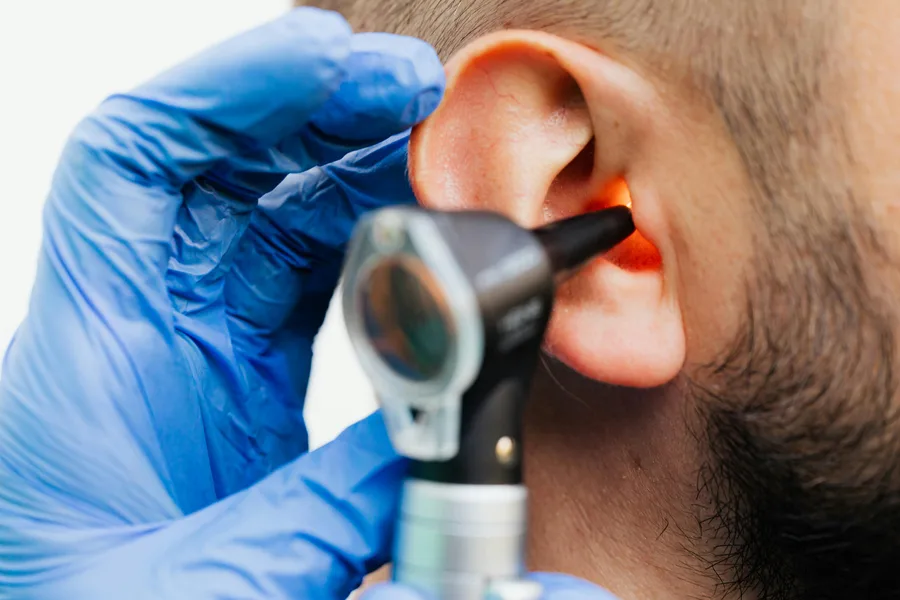
Microscope or endoscope examination of the ear, a hearing test (audiogram) and, for chronic infection or cholesteatoma, a CT scan of the temporal bone. If you already have these, the surgeon reviews them remotely and tells you what, if anything, needs repeating in İstanbul.
- 02
Surgery
Eardrum repair and mastoid surgery are performed under general anaesthesia through the ear canal or a small incision behind the ear, usually taking one to three hours; a graft of your own tissue closes the eardrum. Ventilation tubes take a few minutes and, in adults, can often be placed under local anaesthesia.
- 03
Hospital stay
Ventilation tubes and many eardrum repairs are day cases; mastoid surgery usually means one night. You go home with a dressing over the ear and soft packing in the ear canal, which is removed at a follow-up visit.
- 04
Follow-up from home
The packing is removed and the ear checked about a week after surgery, before you fly. A hearing test to measure the result is done once the ear has healed, typically after two to three months, and can be arranged with an ENT specialist at home. Our team stays in contact after you return.
Typical timeline
- Hospital stay
- Day case–1 night
- Stay in İstanbul
- 7–10 days
- Flying home
- After the surgeon’s clearance, usually 7–10 days
Typical ranges for an uncomplicated case. Your surgeon confirms your own plan after reviewing your reports.
Performed at
Contracted practices in İstanbul whose own treatment lists include this work.

Common questions
Will my hearing improve?
The first goal of chronic ear surgery is a dry, safe ear; hearing often improves once the eardrum is closed and the hearing bones work again, but the result depends on how much damage the disease has caused and how the inner ear is functioning. Hearing is usually still muffled for a few weeks while the ear heals, so the true result is judged at the later hearing test.
Can I get the ear wet, and when can I fly?
Keep the ear dry until your surgeon says otherwise, usually for several weeks: cover it while showering and avoid swimming and diving. Flying is usually possible seven to ten days after surgery once the ear has been checked; with ventilation tubes in place, pressure changes are generally well tolerated. Your surgeon confirms both before you travel.
What is the packing in my ear canal for?
Soft packing holds the new eardrum graft in place while it heals and keeps the canal protected. It makes the ear feel blocked and hearing muffled, which is expected. Some packing dissolves on its own; the rest is removed painlessly at the follow-up visit, usually within the first week or two. Do not try to remove it yourself.
General information, not medical advice. Your treatment plan is set by the operating surgeon after reviewing your reports.