
Voice Box (Larynx) Cancer Surgery
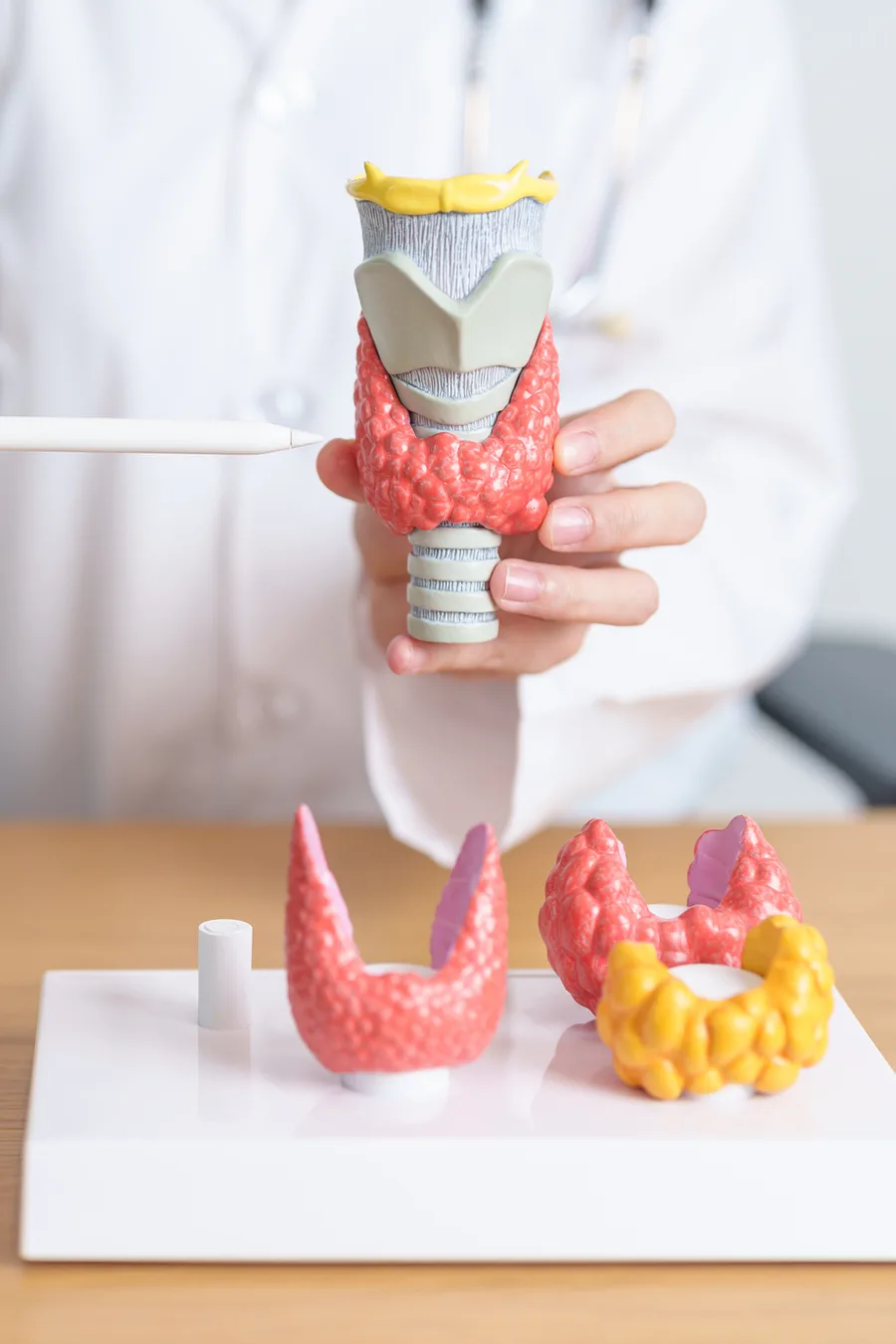
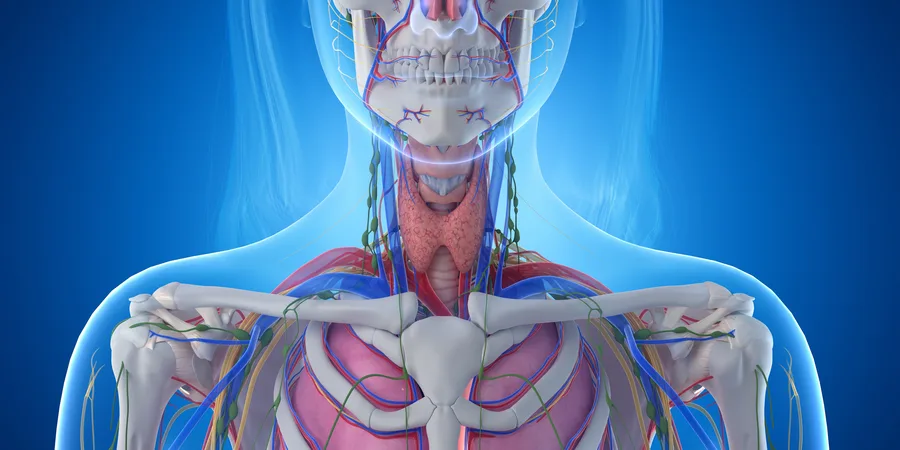
The larynx, or voice box, sits at the top of the windpipe. It produces your voice and closes off the airway when you swallow. Cancer of the larynx most often begins on the vocal cords, and its earliest sign is usually hoarseness. Hoarseness that lasts longer than three weeks should always be examined by an ENT specialist.
Treatment depends on the stage. Early tumours confined to a vocal cord can often be removed with a laser through the mouth (laser cordectomy), with no external incision. More advanced disease may call for a partial or total laryngectomy, sometimes with a neck dissection and flap reconstruction. Radiotherapy or chemotherapy may also be part of the plan.
Our contracted head and neck surgeons in İstanbul perform all of these operations, including voice prosthesis placement and tracheostomy. As an international patient you send your laryngoscopy report, biopsy result and scans first; the surgeon reviews them and proposes a plan before you travel, and any radiotherapy is coordinated with your team at home.
Conditions treated
- Early cancer confined to a vocal cord
- Precancerous changes of the vocal cords (dysplasia, leukoplakia)
- Advanced laryngeal cancer needing partial or total laryngectomy
- Laryngeal cancer with enlarged neck lymph nodes
- Recurrence after radiotherapy or earlier surgery
- Tumour narrowing the airway and needing a tracheostomy
- Voice restoration after total laryngectomy (voice prosthesis)
Procedures performed
- Laser Cordectomy
- Partial Laryngectomy
- Total Laryngectomy
- Neck Dissection
- Voice Prosthesis Application
- Flap Reconstruction
- Tracheostomy
What to expect
The four stages every international patient goes through with us.
- 01
Consultation and diagnostics
Examination of the larynx with a thin endoscope, a biopsy under a short general anaesthetic if one has not been done, and CT or MRI of the neck; a PET scan may be added for advanced disease. Reports you already have are reviewed remotely, and the surgeon tells you what, if anything, needs repeating in İstanbul.
- 02
Surgery
Laser cordectomy is done through the mouth under general anaesthesia and usually takes under an hour. A partial or total laryngectomy is a longer operation through an incision in the neck, often combined with a neck dissection; a voice prosthesis can be fitted during the same operation, and a flap is used when tissue needs to be replaced.
- 03
Hospital stay
After laser cordectomy most patients go home the same or the next day. After a laryngectomy the stay is usually one to two weeks: the wound and the stoma are cared for, swallowing is checked before eating by mouth begins, and the ward team teaches you to look after the stoma before discharge.
- 04
Follow-up from home
The pathology result, usually within about a week, shows whether radiotherapy is needed; if so, it is coordinated with your oncologist at home. Regular endoscopic checks of the larynx continue for several years, and speech therapy or voice prosthesis care can be arranged near you. Our team stays in contact after you return.
Typical timeline
- Laser cordectomy · hospital
- 0–1 nights
- Laser cordectomy · İstanbul
- 5–7 days
- Laryngectomy · hospital
- 7–14 nights
- Laryngectomy · İstanbul
- 3–4 weeks
Typical ranges for an uncomplicated case. Your surgeon confirms your own plan after reviewing your reports.
Performed at
Contracted practices in İstanbul whose own treatment lists include this work.


Common questions
Will I lose my voice?
It depends on how much of the larynx has to be removed. After laser cordectomy for an early tumour the voice is usually kept, though it may sound a little rougher or breathier. After a partial laryngectomy the voice is typically weaker. After a total laryngectomy the natural voice is lost, but a voice prosthesis and speech therapy give many patients a new way to speak.
How will I breathe after a total laryngectomy?
The windpipe is brought out to a permanent opening in the lower neck, called a stoma, and you breathe through it instead of through the nose and mouth. Before discharge you learn to keep it clean and to use a filter that warms and moistens the air. With practice, daily activities and speaking through the voice prosthesis become part of your routine.
Will I need radiotherapy, and where would it be given?
Not always. The stage and the pathology result decide: radiotherapy, sometimes with chemotherapy, may be recommended after surgery for advanced tumours or affected lymph nodes. It usually starts within a few weeks of the operation and can be given at home. The surgeon sends a full report and coordinates the plan with your oncologist there.
General information, not medical advice. Your treatment plan is set by the operating surgeon after reviewing your reports.