
Nose and Sinus Cancer Surgery
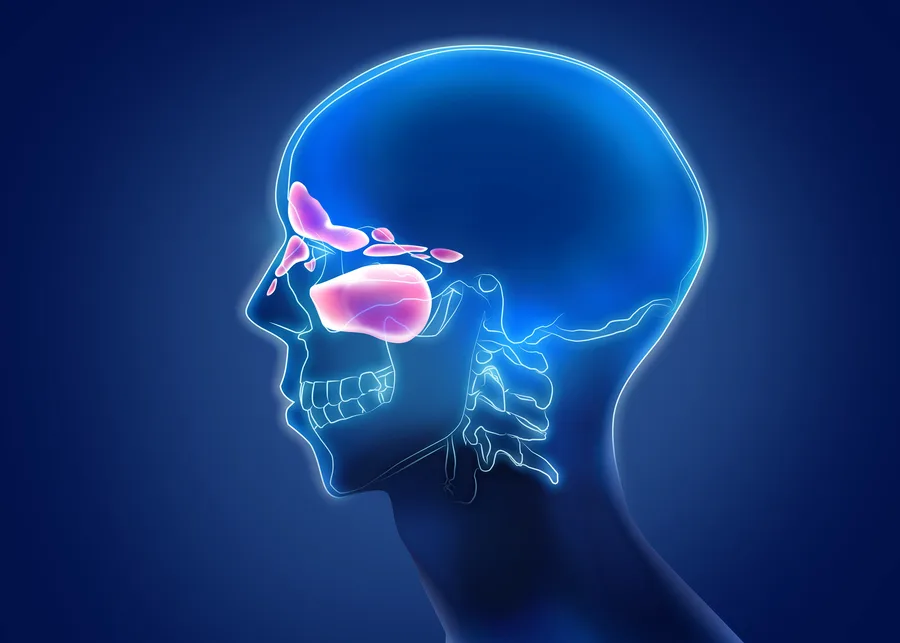
The nasal cavity and the paranasal sinuses are the air-filled spaces behind the nose and cheeks and between the eyes. Tumours here are uncommon and may be benign, such as an inverted papilloma, or malignant. The typical warning sign is a blockage or bleeding on one side of the nose that does not settle within a few weeks.
Our contracted ENT surgeons in İstanbul remove tumours of the nasal cavity, the skin of the nose and the sinuses, most of them endoscopically through the nostrils without an external incision. Tumours that reach the base of the skull are treated with endoscopic skull-base surgery. Treatment depends on the type and stage; radiotherapy may form part of the plan.
As an international patient you send your CT or MRI scans and any biopsy result first. The surgeon reviews them and proposes a plan before you travel. Should radiotherapy be needed after surgery, it is coordinated with your oncology team at home so that your care continues without a gap.
Conditions treated
- Malignant tumours of the nasal cavity and sinuses
- Inverted papilloma and other benign nasal tumours
- Skin cancers of the nose (basal cell and squamous cell)
- Tumours reaching the base of the skull
- One-sided nasal blockage or bleeding that needs investigation
- Recurrent tumours after earlier treatment
Procedures performed
- Nasal Tumor Excision
- Skin Tumor Excision
- Endoscopic Sinus Tumor Excision
- Endoscopic Skull Base Surgery
What to expect
The four stages every international patient goes through with us.
- 01
Consultation and diagnostics
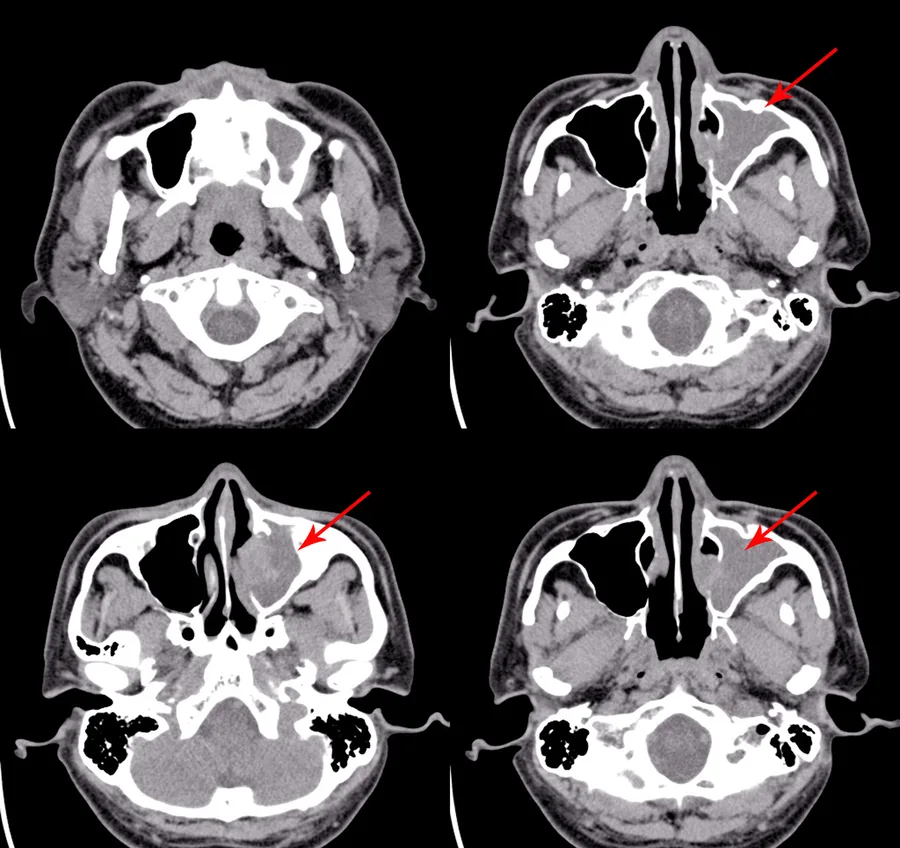
Nasal endoscopy in the clinic, CT and MRI scans to map the tumour and its relation to the eye and the skull base, and a biopsy where one has not already been taken. If you already have these, the surgeon reviews them remotely and tells you what, if anything, needs repeating in İstanbul.
- 02
Surgery
Performed under general anaesthesia. Most sinus and nasal tumours are removed endoscopically through the nostrils, usually taking two to four hours; skull-base procedures take longer and are planned case by case. Skin tumours of the nose are excised and the area closed or reconstructed in the same session.
- 03
Hospital stay
After endoscopic surgery most patients stay one to two nights; after skull-base surgery usually three to seven. Nasal packing, if used, is usually removed within the first days, and you are shown how to rinse the nose with saline.
- 04
Follow-up from home
Endoscopic cleaning of crusts and the pathology result at the first check-up, usually within one to two weeks depending on the operation. Later check-ups, and radiotherapy if it is part of the plan, are coordinated with your doctors at home. Our team stays in contact after you return.
Typical timeline
- Endoscopic surgery · hospital
- 1–2 nights
- Endoscopic surgery · İstanbul
- 7–10 days
- Skull-base surgery · hospital
- 3–7 nights
- Skull-base surgery · İstanbul
- 2–3 weeks
Typical ranges for an uncomplicated case. Your surgeon confirms your own plan after reviewing your reports.
Performed at
Contracted practices in İstanbul whose own treatment lists include this work.

Common questions
Will my face or nose look different afterwards?
Most sinus and skull-base tumours are removed endoscopically through the nostrils, so there is no external scar and the shape of the nose is unchanged. When a skin tumour is removed from the nose, the surgeon plans the excision and closure to keep the scar as discreet as possible; the exact plan is discussed with you beforehand.
What is endoscopic skull-base surgery?
The skull base is the thin layer of bone that separates the nose and sinuses from the brain and the eyes. Tumours that grow up to or through it are reached with the same endoscopic instruments, through the nostrils, and the opening is sealed with the body's own tissue. Depending on the extent, a neurosurgeon may be part of the team, and the hospital stay is longer than after routine sinus surgery.
When can I fly home?
Usually seven to ten days after endoscopic surgery and two to three weeks after skull-base surgery, once the first endoscopic check has been done. Cabin pressure changes can stress a healing sinus, so do not blow your nose in the first weeks, keep up the saline rinses, and let your surgeon confirm the date before you book the return flight.
General information, not medical advice. Your treatment plan is set by the operating surgeon after reviewing your reports.